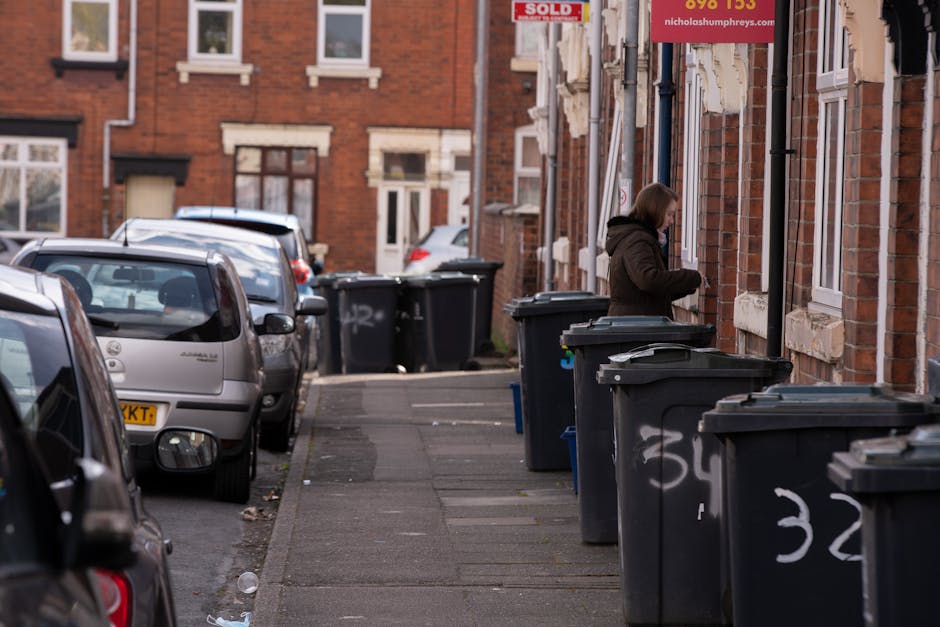
Rubbish collection options for NW3 Belsize Village flats
Posted on 10/08/2026
Rubbish collection options for NW3 Belsize Village flats: a practical local guide
If you live in a flat in Belsize Village, you already know rubbish can become a small problem very quickly. One bag too many in a hallway, an old sofa blocking the landing, a broken appliance that nobody wants to lift down two flights of stairs... and suddenly the whole place feels cramped. That is exactly why understanding Rubbish collection options for NW3 Belsize Village flats matters. The right choice depends on your building layout, how much waste you have, whether items are reusable or truly junk, and how quickly you need them gone. In this guide, we'll walk through the realistic options, the trade-offs, and the little details that make collection in flats much easier than wrestling with it on your own.
For a broader look at how this business handles waste and customer care, you can also explore the services overview, plus the company's approach to waste carrier licence and compliance and insurance and safety.

Why Rubbish collection options for NW3 Belsize Village flats Matters
Flat living changes the whole waste picture. In a house, you can usually wheel items straight to the front path. In a Belsize Village flat, there may be narrow stairs, shared entrances, lift restrictions, concierge rules, resident parking controls, and neighbours who are not thrilled by a noisy midnight tidy-up. None of that is dramatic on its own, but together it changes what "easy" actually means.
That is why local rubbish collection is not just about removing waste. It is about choosing a method that fits the building. Maybe you need a small domestic pickup for a few bin bags after a clear-out. Maybe you need help with furniture removal because a wardrobe will not fit into the lift. Or maybe it is a mixed load after redecorating, where builders' waste is mixed with packaging and broken fixtures. The best option is the one that clears the flat safely, without disrupting everyone else in the building.
There's also a comfort factor. Let's face it: clutter affects how a flat feels. A spare room full of cardboard and old chairs can start to feel smaller every day. In a compact London flat, that matters more than people expect. What seems like a minor tidy becomes a major improvement to everyday life.
If you are comparing neighbourhood context too, you may find the local area guides useful, especially is Belsize Park the right place to call home and the guide to real estate in Belsize Park. They help explain why space, storage, and access are such recurring themes here.
How Rubbish collection options for NW3 Belsize Village flats Works
In practice, flat rubbish collection usually falls into a few patterns. You either place waste for scheduled removal, book a one-off collection, or arrange a specialist pickup for items that are awkward, heavy, or not suitable for ordinary bins. The right route depends on volume, access, and what the waste is made of.
Here is the simplest way to think about it:
- Regular household waste is best handled through normal collection arrangements, where the building and local system allow it.
- Bagged mixed rubbish often suits a domestic waste collection service when there is more than the bins can handle.
- Bulky items like beds, wardrobes, tables, and sofas are usually better collected separately.
- Appliances and white goods need specific handling because of weight, safety, and recycling considerations.
- Renovation debris such as tiles, plasterboard, wood offcuts, and packaging may require builders' waste removal rather than general rubbish collection.
Access is the real deciding factor. A ground-floor flat with rear access is one thing. A top-floor apartment in a period conversion with a tight staircase is another. In the second case, collection crews need to plan the lift, protect the route, and decide whether items can be moved in one piece or should be dismantled first. That is not overcomplicating things; it is simply good practice.
It also helps to know what kind of service you are looking at. A local team focused on domestic waste collection in Belsize Park may be ideal for day-to-day household clutter. For larger jobs, the same project might lean toward house clearance support or a dedicated furniture removal visit. The key is matching the service to the load, not just the address.
One small but important point: the best collection companies will usually ask questions before arriving. Expect to be asked about item types, floor level, whether there is lift access, and whether parking is available. It sounds obvious, but that pre-check saves a lot of headaches later. And yes, it saves you from standing outside at 7:30 a.m. wondering where the truck has gone.
Key Benefits and Practical Advantages
The obvious benefit is that your rubbish disappears. But honestly, the practical gains go further than that.
- Less strain on shared spaces. Flats work better when hallways, lobbies, and bin stores stay clear.
- Safer lifting and carrying. Heavy items can cause damage or injury if they are dragged down stairs by hand.
- Better time management. One booking can solve a job that might otherwise take several trips.
- Cleaner recycling outcomes. Items can often be separated properly rather than lumped into one general bag.
- Reduced neighbour friction. Nobody wants a stairwell full of old mattresses for three days. Nobody.
- More predictable costs. A proper collection is usually easier to budget for than repeated ad hoc disposal runs.
For many flat owners and tenants, the less obvious advantage is peace of mind. There's something nice about knowing the load will be handled properly, especially when it includes awkward items. A broken washing machine is not just "rubbish"; it is a heavy object with sharp edges, possible residue, and the kind of weight that makes a morning feel longer than it should.
If sustainability matters to you, that is another reason to choose carefully. A provider with a clear recycling and sorting process can often divert more from disposal. The company's recycling and sustainability approach is worth reviewing if you want a cleaner, more responsible option.
Expert summary: In flat settings, the "best" rubbish collection option is rarely the cheapest one on paper. It is the one that handles access, protects shared areas, separates waste correctly, and saves you from doing the risky parts yourself.
Who This Is For and When It Makes Sense
This topic is relevant to a surprisingly wide group of people. If you live in NW3 Belsize Village, you may need rubbish collection for one of these very ordinary reasons:
- You are moving in or moving out and need a flat cleared quickly.
- You have furniture that no longer fits the space.
- You are replacing white goods and want the old appliance removed properly.
- You are a landlord preparing a flat between tenancies.
- You are a tenant doing an end-of-lease tidy.
- You are handling the contents of a deceased relative's flat and need a thoughtful clearance process.
- You have just finished a small refurbishment and the debris has taken over the room.
It also makes sense if your building has awkward waste storage. Some flats simply do not have enough bin capacity for everyone at once. In a busy week, one resident's cardboard delivery, another resident's old desk, and a third resident's renovation offcuts can all collide in the bin area. That is where a collection service becomes less of a luxury and more of a practical fix.
Truth be told, the biggest users of these services are not people doing something dramatic. They are just people living normal lives in compact homes. The sofa that has been "temporarily" in the living room for two months. The bags in the corner. The fridge freezer that died on a hot day and now needs dealing with, quickly. Normal life, with a London postcode attached.
Step-by-Step Guidance
If you want the smoothest possible collection, follow a simple process. It does not need to be fancy.
- Identify what needs removing. Make a quick list of bags, furniture, appliances, and any mixed waste.
- Separate reusable items from true waste. If something can be donated, sold, or reused, remove it from the collection pile first.
- Check access details. Note floor number, lift access, parking restrictions, and any building rules.
- Measure large items. This helps avoid the classic "it will definitely fit" moment. Sometimes it won't.
- Ask about waste type. Mixed rubbish, furniture, appliances, and builders' waste may need different handling.
- Request a clear quote. You want to understand what is included, how loading works, and whether extra charges may apply.
- Prepare the route. Move delicate items out of the way, keep corridors clear, and make it easy for the team to access the load.
- Confirm the collection time. A tight schedule matters in flats, especially where neighbours and parking windows are involved.
A useful habit is to photograph the items before booking. Not because it is complicated, just because it gives everyone a shared reference. One person's "small pile" is another person's two-hundred-kilo reality. Photos reduce misunderstanding fast.
If you have awkward or heavy pieces, the right specialist page can help you decide what to book. For example, furniture removal is more appropriate for bulky household items, while white goods and appliance disposal is the better fit for fridges, freezers, washing machines, and similar items.
Expert Tips for Better Results
Over time, you notice a few patterns that make flat collections easier. Nothing mystical. Just practical know-how.
- Book before the pile becomes a blockage. Once items spill into the hallway, stress goes up and options narrow.
- Keep waste categories separate. Bags, furniture, and appliances are easier to handle when they are not mixed together.
- Be realistic about access. If the lift is small or unreliable, say so early. It changes planning.
- Use daylight where possible. Morning or early afternoon collections are usually simpler for loading and route access.
- Protect the building. Blanket corners, door frames, and tight turns can help prevent scuffs when items are moved out.
- Ask what happens next. Good providers should be able to explain sorting, recycling, and disposal in plain language.
One of the best tips is also the simplest: decide what actually needs to leave. Flat clear-outs often become easier when you stop treating every object as a maybe. That old side table that has been wobbling for a year? Gone. The spare chair you never sit on? Gone. The printer that seems emotionally attached to the cupboard? Probably gone too.
If you want to understand the wider company approach, the about us page gives some useful background on how the team operates and what sort of service style they prioritise.

Common Mistakes to Avoid
Most waste collection problems in flats come from a handful of predictable mistakes. The good news is they are easy to avoid once you know what to watch for.
- Assuming bins can handle everything. They usually can't, especially after a clear-out or move.
- Leaving booking details vague. "A few things" is not enough information for a proper collection plan.
- Forgetting building rules. Some blocks have restrictions on service vehicle access or moving times.
- Mixing hazardous or specialist items into general waste. These need separate handling.
- Waiting until the last minute. This leads to rushed decisions and awkward access issues.
- Not checking what is included in the quote. It is better to ask than to assume.
A common one, and this happens all the time, is underestimating the stairs. People stand in the flat, look at a sofa, and say, "That should be fine." Then the sofa meets the stairwell. The stairwell wins. Every time. Better to plan for reality, not hope.
Another mistake is skipping the sustainability conversation. Even if your load is mostly rubbish, there may still be recyclable material, reusable furniture, or components that should not go straight to landfill. A little sorting upfront can make a meaningful difference.
Tools, Resources and Recommendations
You do not need a toolbox full of specialist equipment to manage rubbish collection well. But a few simple things make the process smoother.
- Strong bin bags for lighter mixed waste.
- Box tape and labels to mark items for removal or reuse.
- A tape measure for checking bulky items against lifts, doors, and stairwells.
- Protective gloves if you are moving items yourself before pickup.
- A phone camera to photograph the job for quotes and planning.
From a service standpoint, these pages are the most useful starting points when you are deciding what to arrange: pricing and quotes for cost expectations, payment and security for transaction reassurance, and services overview for the full picture.
If your job is larger than a standard flat tidy, you may also want to read about builders' waste removal or commercial waste removal. That may sound irrelevant at first, but for landlords, developers, and renovation projects, those pages give a clearer sense of how different waste streams are handled.
Law, Compliance, Standards, and Best Practice
When rubbish leaves your flat, it should be handled by a lawful, responsible operator. In the UK, that means working with a provider that can explain its waste handling process, transport arrangements, and disposal route in straightforward terms. You do not need to become a compliance expert, but you should expect transparency.
Good practice includes:
- using a registered waste carrier for collections where applicable,
- separating reusable, recyclable, and general waste where possible,
- protecting shared spaces during removal,
- handling heavy items safely,
- and disposing of specialist waste through the right channel.
For flat residents, the practical side matters as much as the formal side. A professional team should avoid damaging walls, lifts, doors, and communal flooring. They should also be upfront about safety and access. If a provider cannot explain these things clearly, that is usually a sign to keep looking.
If you are the person arranging the booking on behalf of a landlord, managing agent, or tenant group, it also helps to review the provider's terms before work starts. The pages on terms and conditions and insurance and safety are worth checking so there are no surprises later. Not glamorous, I know. But very useful.
Options, Methods, or Comparison Table
Not every flat clearance needs the same method. Some jobs are simple, others are a bit fiddly. Here is a plain-English comparison to help you decide.
| Option | Best for | Strengths | Watch-outs |
|---|---|---|---|
| Regular household collection | Small amounts of bagged waste | Simple, routine, familiar | Not suitable for bulky or excess items |
| One-off domestic waste collection | Extra rubbish after a clear-out | Flexible and quick | Needs clear access and item details |
| Furniture removal | Sofas, tables, wardrobes, beds | Good for heavy items and stairs | May require dismantling or more manpower |
| White goods disposal | Fridges, freezers, washers, cookers | Handles weight and recycling properly | Access and safe lifting are important |
| House clearance | Larger flat clear-outs or inherited contents | Most comprehensive option | Usually more planning involved |
| Builders' waste removal | Renovation debris | Suitable for mixed project waste | Not the same as general rubbish |
The right choice is often a blend. A tenant move-out, for example, may involve furniture removal for a bed, domestic waste collection for bags and packaging, and appliance disposal for an old fridge. That is not a sign that the plan is messy. It is usually a sign that the flat contains real life.
Case Study or Real-World Example
Here is a very typical situation. A resident in a third-floor flat in NW3 Belsize Village is preparing to move out. The flat includes a broken desk, two chairs, a mattress, a small fridge, several black bags of mixed household waste, and a pile of cardboard from new furniture that never quite got assembled. The building has a lift, but it is narrow and shared by several households.
The first instinct is often to try and do it all in one go, but that is where plans get messy. Instead, the resident separates the load into categories. The mattress and furniture go together. The fridge is listed separately. The cardboard is flattened. The black bags are counted. Access details are checked, including the lift dimensions and the best time to avoid the building's busiest period. A collection slot is booked with enough detail to allow planning.
On the day, the route is cleared before the team arrives. Door frames are protected. Items are moved in stages rather than all at once. The lift is used carefully, and the hallway stays tidy. In the end, what could have been a stressful, all-day scramble becomes a straightforward morning job. Nothing dramatic. Just organised.
That is usually the real win with flat rubbish collection: fewer surprises, less strain, and no awkward guessing. It sounds boring, maybe, but boring is good when you are trying to get rid of a fridge.
Practical Checklist
Use this quick checklist before booking collection for your NW3 flat:
- List every item to be removed.
- Separate general waste, furniture, appliances, and builders' waste.
- Check stairs, lift access, parking, and any building rules.
- Measure large items and note any awkward dimensions.
- Take photos of the load if helpful.
- Ask for a clear quote and confirm what is included.
- Decide whether anything can be reused or recycled first.
- Make sure the path from the flat to the exit is clear.
- Confirm the collection time and any access instructions.
- Keep a note of the provider's compliance, insurance, and payment details.
If you want a quick sustainability check before the job goes ahead, it can help to read more about recycling and sustainability and the company's broader environmental approach, including the article on London adopting sustainable practices to support biodiversity. Different topic, yes, but the mindset overlaps nicely.
Conclusion
For flats in NW3 Belsize Village, rubbish collection is less about brute force and more about choosing the right method for the building, the waste, and the people who share the space. Once you think in those terms, the decision becomes much simpler. Small clear-out? Go with a domestic pickup. Bulky furniture? Use a specialist removal option. Mixed contents or a full flat clear-out? Plan it properly and keep access in mind.
The best results usually come from clear information, realistic expectations, and a provider that treats the building carefully. That makes life easier for you, and for everyone else in the block. And honestly, a tidy flat just feels better. More breathing room. Less visual noise. A bit calmer, even before the kettle's boiled.
If you are comparing your options now, take the time to review the service details, ask the practical questions early, and choose the route that makes the whole process feel manageable rather than rushed.
Get a free quote today and see how much you can save.